READING MIGRANTS THROUGH THE LENS OF DIASPORA
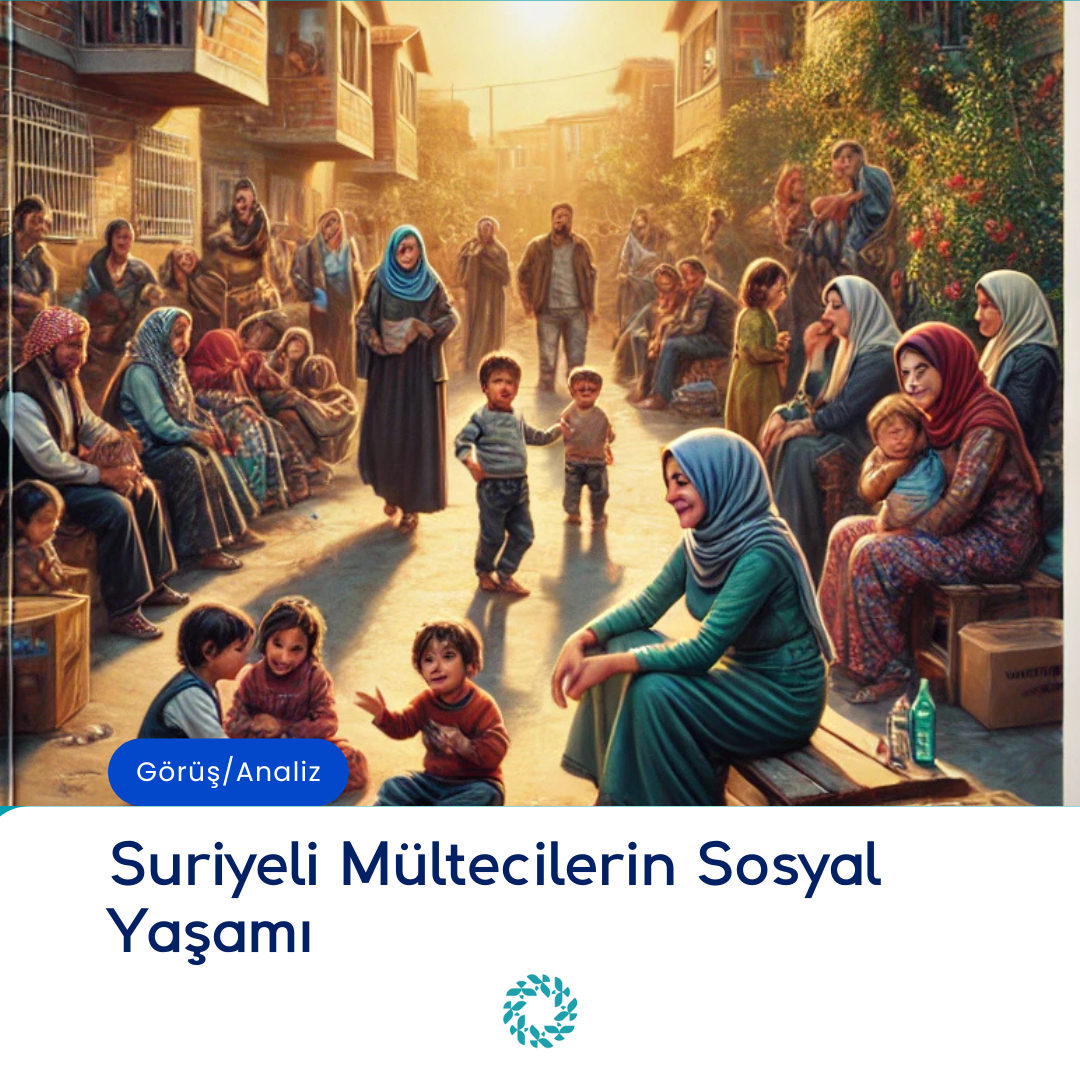
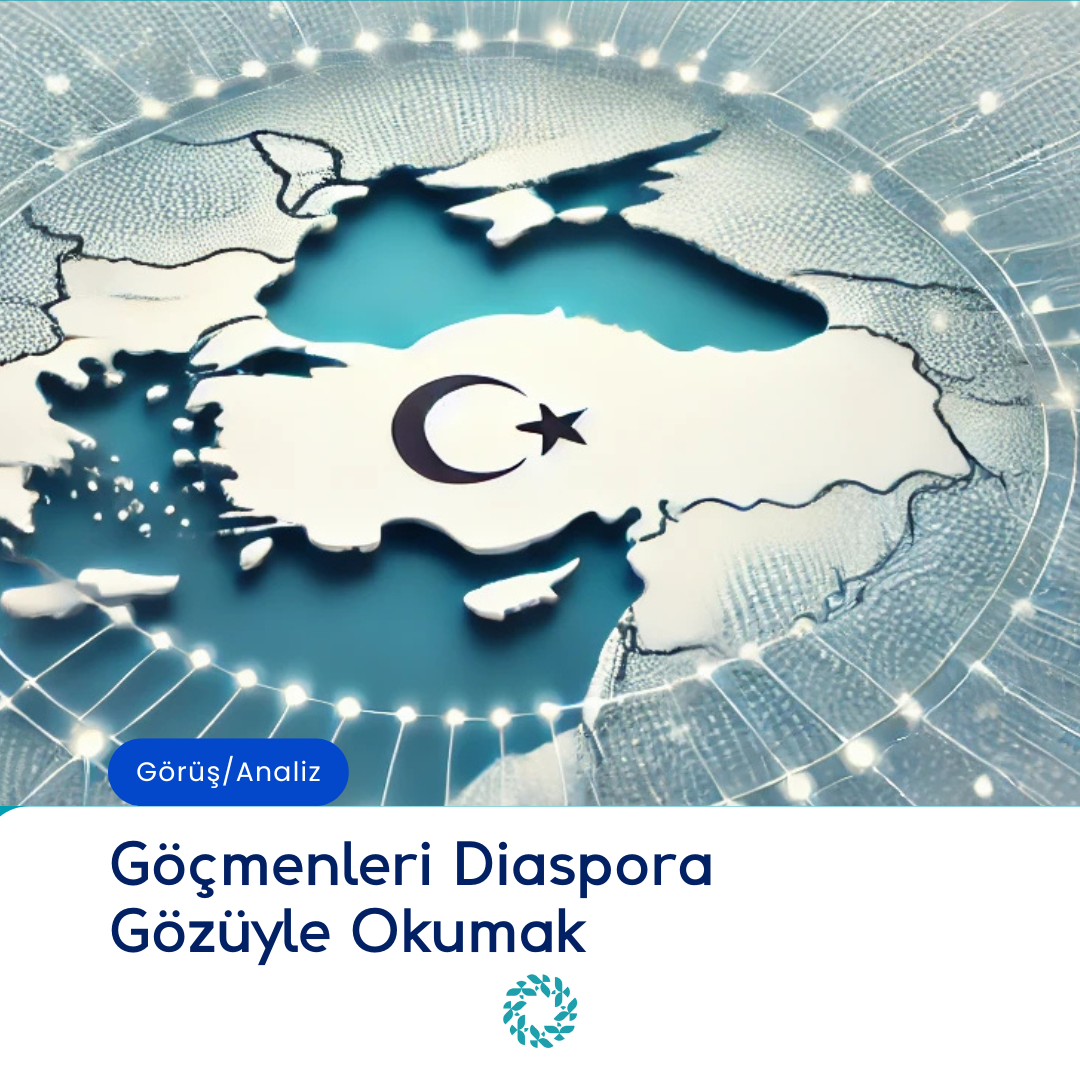
Migration is a phenomenon to which every era and geography has repeatedly borne witness throughout the history of humanity. People who strive to take hold of life in a new place, leaving behind the homeland in which they were born and raised for different reasons such as war, famine, education, economic necessity, and so on, are defined as migrants. Individuals and communities who, while also preserving their ties with their own homeland, strive to strengthen their bond with their homeland through the means and power they have where they are located, are defined as a diaspora.
According to the data of the United Nations (UN) International Organization for Migration (IOM), the migrant presence in the world reached 281 million as of 2022 and constitutes 3.6% of the world's population. According to research conducted in 152 countries between 2015 and 2017 by the U.S.-based research company Gallup, it is seen that 750 million people in the world would like to migrate to another country if they found an opportunity. According to the study, 160 million people want to migrate to the United States, 47 million to Canada, 42 million to Germany, and 6 million to Türkiye. According to the same company's research conducted in 122 countries in 2021, the proportion of those who would like to migrate to another country if they could find the opportunity rose to 16% of the adult population (approximately 900 million). This picture shows that the migrant presence in the world is now a reality that must be accepted by the entire world, and that migrant mobility will continue in the period ahead.
Throughout history, the migrant presence has, for every country, contained problems and threats on the one hand, and power and opportunities on the other. Every rising civilization has risen by focusing on the power and opportunities of the migrant presence and evaluating that presence on the path toward a shared future. The Seljuk, Ottoman, and U.S. experiences are the first examples that come to mind on this subject. For Türkiye to view and evaluate the migrant presence it possesses through the lens of diaspora, and to benefit from this presence's power in the economic, commercial, political, and diplomatic spheres, is a highly important opportunity on Türkiye's path to becoming a global power.
For a long time in Türkiye, the phenomenon of diaspora was a concept heard around the lobbying power of the Jewish diaspora in the United States and the lobbying activities the Armenian diaspora carried out against Türkiye in Europe and the United States. Recently, however, studies concerning especially the Turkish Diaspora in Europe have given this concept a new meaning and footing. In the period after the Arab Spring, Türkiye came face to face with intense migrant mobility coming from the countries of the region. Among the newly arriving migrant groups, many politicians, academics, opinion leaders, and business people from many different countries have now begun to live in Türkiye and carry out their work concerning their own homelands on a Türkiye-centered basis. These diaspora groups, which carry out activities in many fields such as humanitarian aid, education, strategy, and the production of ideas through the civil society organizations they have established in Türkiye, have emerged as a new experience for the Republic of Türkiye.
When human communities are seen through the definition of "migrant," they are evaluated through crises and risks, and the education problem, the language problem, settlement problems, and demographic threats become the first agenda items that come to mind. When you begin to evaluate the same human communities as a diaspora, however, the focus turns to a different point of evaluation through power and opportunities, and subjects such as economic power, a commercial relationship network, the opportunity for diplomacy, and the opportunities of international relations come to the fore. Türkiye has discussed the migrant presence it has faced especially over the last 13 years within the framework of the concept of "migration" and has built its current policies on the crises and threat perceptions experienced on that plane. Türkiye has, on the one hand, become a center of attraction as a power whose appeal is rising for the entire world, with embassies whose number increases day by day in every region of the world, and with the activities of the Yunus Emre Institute, the YTB, TİKA, and the Maarif Foundation. The benefit to Türkiye of the increasing International Student presence, regular migrant mobility, and rising tourist numbers brought about by all these policies could not be explained to a society that has experienced economic difficulties in recent years; and a constructed migrant hostility built on false information first took society, then the bureaucracy and politics, and finally the academic world under its influence. The reality of the migration issue in Türkiye has now become impossible to discuss, and a point has been reached where policy is produced by ignoring the harm that every foreigner who leaves or is sent away from Türkiye will cause to our country at home and abroad. Through these policies aimed at reducing the foreign presence and foreign mobility within the country, life in Türkiye has been made step by step more difficult for every kind of migrant group. This situation has also affected the skilled migrant groups in Türkiye who came from various countries — International Students, business people, politicians, scientists — and hundreds of thousands of people have chosen to leave Türkiye and go to different countries.
In order to reach its goals on the path to becoming a global power, Türkiye must possess a strong economy, qualified human resources, and a very diverse and widespread relationship network. When the countries that are its rivals on this matter are examined, it is seen that they evaluate human and economic assets across the entire world and build their relationship networks throughout the world, as if competing with one another, in order to benefit more from these assets. It is not possible for any country that wishes to become a global power to achieve this in a manner closed to the outside and by benefiting only from its own resources. It is possible to see this both in the examples of civilizations that rose in history and in the powers rising in the competitive environment of today's world. Türkiye must redirect its domestic political ground toward its goals on the path of once again becoming a global power, and must build both its domestic and foreign policy in harmony on this plane.
In this context, our migration policy too must be re-evaluated so as to build a method that will increase Türkiye's economic power and skilled manpower, and it must be borne in mind that the restrictive migration policies pursued as a product of domestic politics, through global communication instruments, harm our relationship network throughout the world. It must not be forgotten that every migrant whom we do not want in Türkiye and whom we strive to make leave is the relative, neighbor, friend, kinsman, or fellow townsman of our allies standing beside our diplomats at the table — those who fight against terror together with our soldiers in Syria and Libya, or in Yemen, Sudan, Somalia, Astana, Afghanistan, and all kinds of crisis regions. Therefore, whoever mistreats, ostracizes, humiliates, insults, or disregards a migrant or any foreigner in Türkiye is in fact, knowingly or unknowingly, serving those who wish to deprive Türkiye of the economic asset from which it benefits; is harming the ties with Türkiye of the skilled human resources from which Türkiye might benefit; and is preparing the ground for the deterioration of the relationship between us and our allies in different geographies.
As the Migration and Diaspora Foundation, we invite all of Türkiye — from the bureaucracy to politics, from academia to every individual on the street — to read migrants through the lens of diaspora. Because only then will we begin to see the benefits these people, who prefer Türkiye over many countries in the world and wish to live here with us, provide to our country; and we will be able to find the opportunity to evaluate the power and opportunities they will provide on our journey of becoming a global power. In this direction, as also emphasized in the "Türkiye Migration Mobility (2016–2023)" report prepared by our Foundation, by moving the asylum-seeker presence in Türkiye to a status in which they can foresee their future, and especially by opening the way for a migrant status through which the young generation born, raised, and educated in Türkiye can, when they reach the age of production, contribute to this country's growth and see their own future together with the future of this country, we will have removed one of the most important obstacles before our benefiting from these powers and opportunities.
Recep Seyyar
Migration and Diaspora Foundation
Chairman of the Board of Directors
To browse the author's other articles, click here.